
After-care Instructions.
Aftercare is the most important step in the tattoo removal process. Following these guidelines will ensure you have the best chance of improved results in less sessions. Maintaining your general health and skin care, particularly in the first week following treatment is crucial.
What to expect:
Immediately following laser treatment of your tattoo, you may notice a whitening of the skin (frosting). This is created by the ink being shattered and releasing heat underneath the skin. This temporary and will subside within 15-20 minutes following treatment. This is a more common side effect during the first couple of sessions when the ink density is greater.
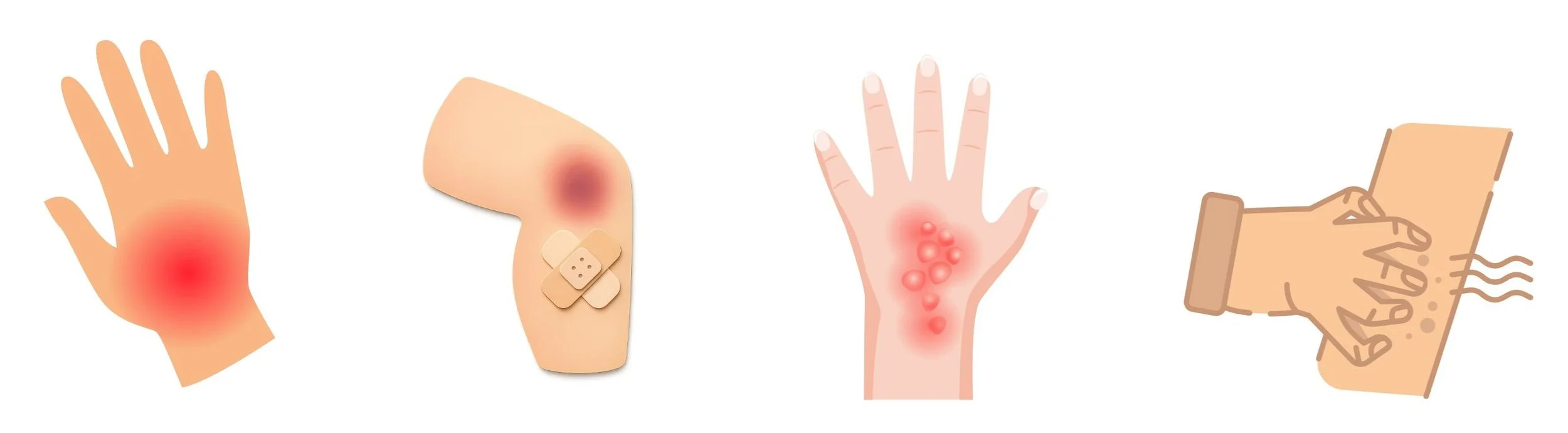
Swelling and redness is common during the first 24 hours following your laser treatment. This has been described as feeling the same as a bad sunburn – hot and tender to touch. This is your body’s own immune response to the laser treatment, and this will assist the healing process.
Bruising or pinpoint bleeding is normal and can last up to two following laser treatment.
Blistering can occur, particularly with red coloured ink treatment or very fresh heavily inked tattoos. The blister is your bodies way of protecting the skin from bacteria entering the wound and should NOT be popped. This will resolve withing 3-5 days when left alone.
Scabbing can occur more commonly with coloured tattoo removal, especially following blistering.
Itching can occur and is a good sign that your immune system is doing the right thing. Excessive or unbearable itching or hives is rare but can be caused by an allergic reaction to the tattoo pigments. Contact the clinic or consult a healthcare professional immediately if you suspect and allergic reaction.

Immediate Post-treatment Care (First 48 hours)
Avoid excessive heat in the skin for at least 48hrs. Keep the area cool with cold packs. Avoid hot showers, baths, spa baths and saunas. A cool or warm shower is fine but remember to reapply the cool pack following the shower.
Avoid heavy exercise to prevent excessive sweating, irritation and additional heat production.
Keep the area dry and clean. If there is any broken skin, a dressing will be applied before you leave the clinic. Leave this in place for 24 hr.
Clean gently with mild soap. Do not scrub or rub the area. Pat dry with a towel. Apply a layer of Aloe Vera Gel or a light, mild, non-perfumed moisturiser and cover with another dressing if there is broken skin. Avoid heavy creams or ointments that can trap heat and bacteria in the skin.
Avoid wearing make-up during the first 48 hrs and while there is still broken skin.
Treat discomfort, swelling and itching with cool packs.
Avoid ibuprofen or aspirin as these can increase bruising. Use a paracetamol-based product if analgesia is required or antihistamine treatment if itching is intense. Do not pick or scratch.
Avoid sun exposure – keep the area covered by clothing and broad-spectrum 50+ SPF sunscreen. Direct sun exposure can increase the risk of pigmentation issues and delayed healing.
Rest and elevation of your tattoo for the first 24 hours will assist with healing (especially if your tattoo is on one of your limbs).
Always avoid injury and abrasion – wear light loose clothing that does not rub or irritate the skin.

Follow-up Post-treatment Care (48+ hours)
Avoid sun exposure, keep covered, use 50+ SPF sunscreen during the healing and ongoing treatment period (especially within the first 4 weeks following treatment). This includes tanning beds.
Keep the skin moisturised with light, mild, non-perfumed moisturisers and/or aloe vera gel. Do not pick scabs or pop blisters. Let the skin heal itself naturally so that is maintains a barrier against bacteria entering the skin. An open wound will significantly increase the risk of infection.
Avoid shaving the skin or exfoliating the skin until scabs and blisters have healed.
Drink lots of water to assist your lymphatic system to flush out the ink.
Eat a healthy diet with plenty of fruit, vegetables and lean protein to support skin healing. Decrease or avoid alcohol consumption and smoking as these can both slow the healing process.
Regular exercise will increase blood flow and help your lymphatic system to clear the ink particles.
Get plenty of rest as this will allow your body to repair itself more effectively.
Visit www.pikoltr.com.au for more advanced tips to improve your lymphatic function and ink clearance.